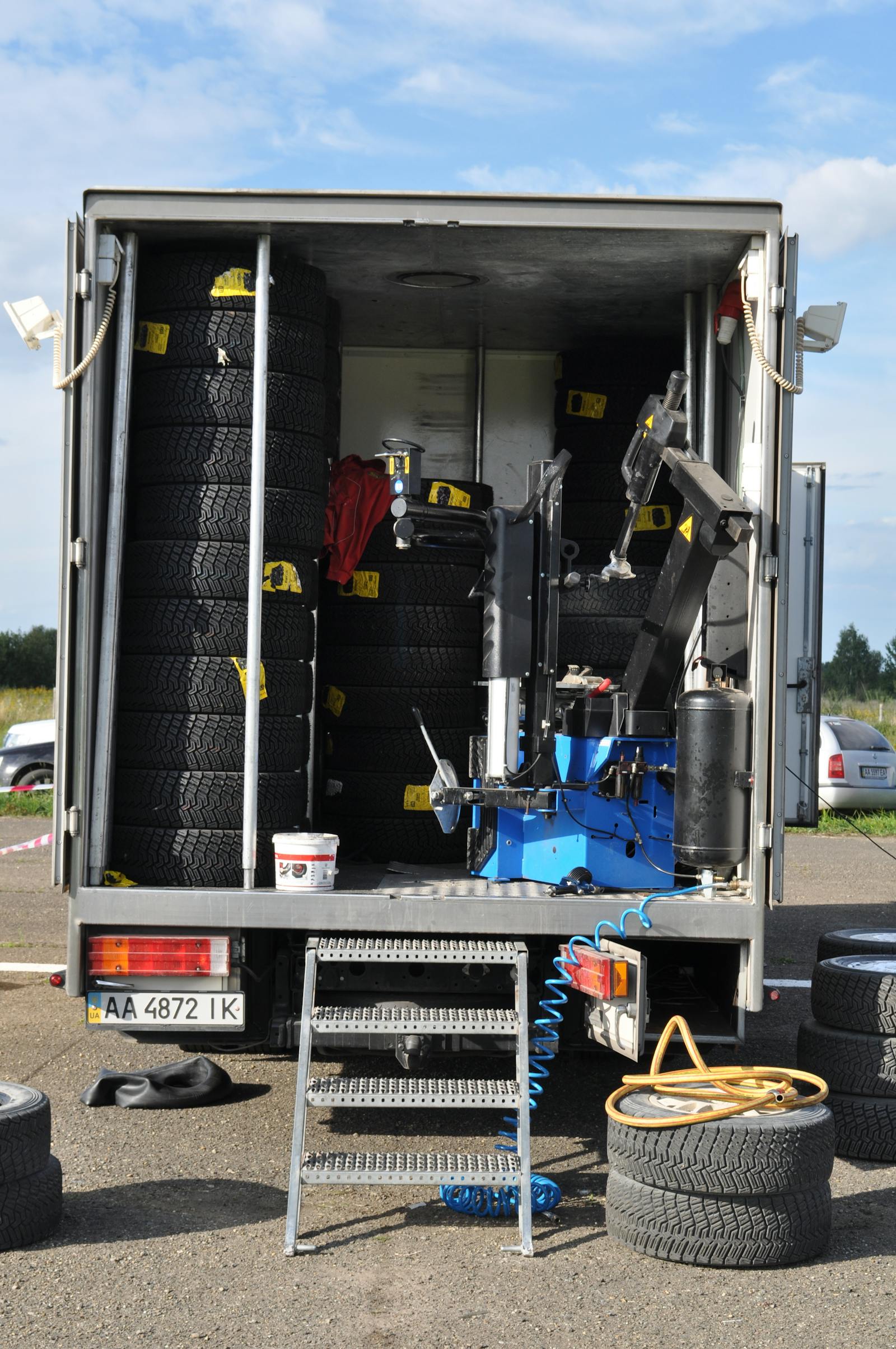
Starting a mobile mechanic business in 2025 is one of the smartest entrepreneurial moves you can make. With lower overhead costs than traditional repair shops, growing consumer demand for convenient auto repair services, and the freedom to be your own boss, mobile mechanics are positioned for incredible success.
But where do you start? How much does it cost? What licenses do you need? How do you get customers?
This comprehensive guide will walk you through every single step of launching your mobile mechanic business, from the initial planning stages to landing your first paying customers. Whether you're a certified technician ready to go solo or considering a career change into the automotive industry, this guide has everything you need.
Table of Contents
- Why Start a Mobile Mechanic Business?
- Required Skills and Qualifications
- Creating Your Business Plan
- Legal Requirements and Licensing
- Getting the Right Insurance
- Essential Tools and Equipment
- Choosing and Setting Up Your Service Vehicle
- Setting Your Pricing Strategy
- Marketing and Getting Customers
- Business Management Software
- Your First Month: Action Plan
- Common Mistakes to Avoid
Why Start a Mobile Mechanic Business in 2025?
The mobile mechanic industry is experiencing explosive growth, and 2025 presents unique opportunities that didn't exist even a few years ago.
Market Demand is at an All-Time High
Today's consumers value convenience more than ever. They're willing to pay premium prices for services that come to them, whether it's food delivery, healthcare, or auto repair. The COVID-19 pandemic accelerated this trend, and it's not going away.
Here's what the numbers tell us:
- The average vehicle on the road is now 12.5 years old, the highest it's ever been
- Over 280 million vehicles are registered in the United States alone
- The mobile auto repair market is projected to grow at 4.2% annually through 2030
- Busy professionals, families, and fleet operators are actively seeking mobile mechanics
Lower Startup Costs Than Traditional Shops
Opening a traditional auto repair shop requires massive capital investment:
- Commercial property lease or purchase: $3,000-$10,000/month
- Shop equipment and lifts: $50,000-$150,000
- Utilities and overhead: $2,000-$5,000/month
- Employees from day one
Compare that to a mobile mechanic business that you can start for $5,000-$25,000 with minimal ongoing overhead. You can work from home, keep your existing vehicle initially, and grow at your own pace.
Freedom and Flexibility
As a mobile mechanic, you control your schedule, choose your clients, and determine your own income ceiling. Want to work four days a week? Take Fridays off for family time? Focus only on high-profit services? You're in complete control.
Scalability Potential
Start as a solo operator, then scale to multiple vehicles and technicians when you're ready. Many successful mobile mechanic businesses generate $500,000+ in annual revenue with just 2-3 service vehicles.
Success Story: Jason started his mobile mechanic business in 2022 with a $15,000 investment. Within 18 months, he was grossing $12,000/month working solo, and by year three, he had added two technicians and was clearing $250,000 annually.
Required Skills and Qualifications
Before launching your mobile mechanic business, you need to honestly assess whether you have the right skills and qualifications. Here's what you need:
Technical Skills and Experience
At a minimum, you should have:
- 3-5 years of hands-on automotive repair experience in a professional setting
- Strong diagnostic skills across multiple vehicle makes and models
- Proficiency in common repair services (brakes, oil changes, batteries, starters, alternators, etc.)
- Understanding of modern vehicle electronics and computer systems
- Ability to work independently and troubleshoot problems without a shop environment
Certifications (Highly Recommended)
While not always legally required, ASE (Automotive Service Excellence) certifications dramatically boost your credibility and allow you to charge premium rates:
- ASE Certification in one or more specialties (A1-A8)
- State-specific mechanic licenses (required in some states, see our license requirements guide)
- Manufacturer-specific certifications (Ford, GM, Toyota, etc.) for specialized work
Business Skills You'll Need
Being a great mechanic isn't enough, you're now a business owner. You'll need:
- Basic accounting and bookkeeping knowledge
- Customer service and communication skills
- Marketing and self-promotion abilities
- Time management and scheduling efficiency
- Problem-solving and adaptability
Don't worry if you're not strong in all these areas, you can learn as you go or outsource certain functions. But you need to be willing to develop these skills.
Creating Your Business Plan
A solid business plan is your roadmap to success. Even if you're not seeking funding, the process of creating a business plan forces you to think through critical decisions.
Define Your Services
What services will you offer? Mobile mechanics typically focus on:
- High-demand maintenance: Oil changes, brake service, battery replacement, tire rotation
- Common repairs: Starters, alternators, water pumps, belts, hoses
- Diagnostic services: Check engine light diagnostics, electrical troubleshooting
- Pre-purchase inspections: Highly profitable service for used car buyers
- Fleet maintenance: Regular service for business vehicles
Consider what services you WON'T offer initially. Complex transmission work, major engine overhauls, and anything requiring a lift should probably wait until you're more established.
Identify Your Target Market
Who are your ideal customers?
- Busy professionals who can't afford downtime
- Families with multiple vehicles needing regular maintenance
- Small businesses and fleets requiring ongoing service contracts
- Elderly or disabled individuals who have difficulty getting to shops
- Used car buyers needing pre-purchase inspections
Analyze Your Competition
Research other mobile mechanics in your area:
- What services do they offer?
- How are they pricing their services?
- What's their online reputation like?
- Where are the gaps you can fill?
Financial Projections
Create realistic financial projections for your first year:
- Startup costs: Tools, vehicle, insurance, licenses (see our startup costs breakdown)
- Monthly operating expenses: Insurance, fuel, supplies, marketing
- Revenue projections: Start conservative, maybe 2-3 jobs per day at $150 average ticket
- Break-even analysis: When will you become profitable?
For a complete template and examples, check out our free mobile mechanic business plan template.
Legal Requirements and Licensing
Getting your legal foundation right from the start prevents costly problems down the road.
Choose Your Business Structure
You'll need to decide on a legal structure:
- Sole Proprietorship: Simplest option, but no liability protection. Good for testing the waters initially.
- LLC (Limited Liability Company): Recommended for most mobile mechanics. Protects personal assets while remaining simple to manage.
- S-Corporation: Potential tax advantages once you're profitable, but more complex.
Most mobile mechanics choose an LLC for the liability protection without the complexity of a corporation.
Register Your Business
Steps to officially register:
- Choose and register your business name with your state
- File formation documents (Articles of Organization for LLC)
- Get an EIN (Employer Identification Number) from the IRS, free online
- Register for state and local taxes
- Open a business bank account (keep finances separate from day one)
Licenses and Permits
Requirements vary significantly by state and locality. Common requirements include:
- Business license: Required in most cities/counties
- Automotive repair license: Required in some states (California, for example)
- Sales tax permit: If you're selling parts
- Home occupation permit: If working from home
- Environmental permits: For handling waste oil, fluids, etc.
For specific requirements in your state, see our comprehensive mobile mechanic license requirements by state guide.
Waste Disposal Compliance
You must properly handle automotive waste:
- Used oil and fluids
- Old batteries
- Tires
- Contaminated materials
Partner with local recycling centers or waste management companies. Many auto parts stores accept used oil and batteries for free.
Getting the Right Insurance
Insurance protects your business and is often required by law or by commercial clients. Don't skip this step.
Essential Insurance Coverage
1. General Liability Insurance
Covers property damage and bodily injury. If you accidentally damage a customer's property or someone gets hurt, this protects you. Cost: $500-$1,500/year.
2. Garage Keepers Insurance
Covers vehicles in your care, custody, and control. If a customer's car is damaged while you're working on it or transporting it, this covers the loss. Cost: $1,000-$3,000/year.
3. Commercial Auto Insurance
Required for your service vehicle. Personal auto insurance won't cover business use. Cost: $1,500-$3,500/year.
4. Tools and Equipment Insurance
Protects your investment in tools and diagnostic equipment. Cost: $300-$800/year.
5. Professional Liability (Errors & Omissions)
Covers claims of negligence or mistakes in your work. Cost: $500-$1,500/year.
Optional But Recommended
- Workers' Compensation: Required once you hire employees
- Business Interruption Insurance: Covers lost income if you're unable to work
- Umbrella Policy: Extra liability coverage beyond your primary policies
Total annual insurance costs typically range from $3,000-$8,000 depending on your coverage levels, location, and claims history.
Don't Skimp on Insurance: One major lawsuit or accident could bankrupt your business. Proper insurance is non-negotiable. Get quotes from multiple providers and work with an agent who specializes in auto repair businesses.
Essential Tools and Equipment
Your tools are your livelihood. Invest in quality equipment that will last and help you work efficiently.
Core Tool Investment ($3,000-$8,000)
Here's what you absolutely need to get started:
- Socket sets (SAE and metric): 1/4", 3/8", and 1/2" drive sets
- Wrench sets: Combination wrenches, adjustable wrenches, flare nut wrenches
- Screwdrivers: Full set of flathead and Phillips in various sizes
- Pliers and cutters: Needle nose, channel locks, wire cutters, snap ring pliers
- Specialty tools: Brake caliper tools, oil filter wrenches, spark plug socket
- Power tools: Impact wrench (electric or air), drill, grinder
- Floor jack and jack stands: Heavy-duty, rated for trucks
- Creeper and knee pads: For comfort working on the ground
Diagnostic Equipment ($1,500-$4,000)
- OBD-II scanner: Professional-grade scanner (not cheap consumer models). Budget $500-$2,000
- Multimeter: For electrical diagnostics
- Code reader: Backup to your main scanner
- Compression tester: For engine diagnostics
- Battery tester: Essential for quick diagnostics
Portable Equipment ($800-$2,000)
- Portable air compressor: For air tools and tire inflation
- Work lights: LED work lights, headlamp, inspection light
- Battery jump starter: Portable jump pack
- Portable parts washer: For cleaning components on-site
- Oil drain pan and fluid containers: For proper waste collection
Tool Storage and Organization
Invest in proper organization from day one:
- Tool chest or toolbox: Mounted in your vehicle
- Tool bags: For carrying frequently used tools to the job
- Parts bins and organizers: For fasteners, fuses, etc.
For a complete checklist with brand recommendations, see our best tools for mobile mechanics guide.
Smart Buying Strategies
How to get professional tools without breaking the bank:
- Buy quality where it matters: Sockets, wrenches, diagnostic tools, buy professional grade
- Save on commodity items: Shop rags, drain pans, basic hand tools can be mid-grade
- Finance through tool trucks: Snap-on, Mac, Matco offer financing (but watch the interest)
- Buy used carefully: Estate sales, retiring mechanics, pawn shops, but inspect carefully
- Build gradually: Start with essentials, add specialty tools as you need them
Choosing and Setting Up Your Service Vehicle
Your vehicle is your mobile workshop. Choose wisely.
Van vs. Truck: Making the Right Choice
Cargo Van (Recommended for Most)
Pros:
- Secure, weatherproof storage for tools and parts
- Professional appearance
- Can work inside van in bad weather
- Better organization with shelving systems
Cons:
- Higher purchase price
- Less maneuverable than trucks
Pickup Truck with Cap/Topper
Pros:
- Lower cost to purchase
- Easier to drive and park
- Good for bulky equipment
Cons:
- Less secure (even with locking cap)
- Tools exposed to weather when accessing
- Less professional appearance
Recommended Vehicle Options
Best cargo vans for mobile mechanics:
- Ford Transit: Most popular choice, great customization options
- Ram ProMaster: Lower floor height, easier to work in
- Mercedes Sprinter: Premium option, excellent reliability
- Chevrolet Express: Budget-friendly, widely available used
New vs. Used
Used Vehicle ($8,000-$25,000): Smart choice when starting. Look for:
- 100,000 miles or less
- Complete service records
- No accident history
- Fleet-maintained vehicles (often well-cared for)
New Vehicle ($35,000-$60,000): Better long-term investment if you have the capital:
- Warranty coverage for 3-5 years
- Better fuel economy
- Can build out exactly how you want
- Tax deduction benefits
Essential Vehicle Setup and Organization
- Shelving system: Invest in professional van shelving ($500-$2,000)
- Tool storage: Secure cabinets and drawers
- Parts bins: Organized storage for common parts and supplies
- Lighting: Interior LED lighting for working inside van
- Power inverter: For running power tools
- Flooring: Non-slip flooring to protect cargo area
Vehicle Branding
Professional vehicle wraps or lettering are marketing investments:
- Full wrap: $3,000-$5,000 (maximum visibility)
- Partial wrap: $1,500-$2,500 (good middle ground)
- Vinyl lettering: $500-$1,000 (budget option)
- Magnetic signs: $100-$300 (removable, least professional)
Include your business name, phone number, website, and key services. Your vehicle is a rolling billboard, make it count.
Setting Your Pricing Strategy
Pricing can make or break your business. Price too low and you'll work yourself to death without making profit. Price too high and you won't get customers.
Common Pricing Models
1. Hourly Rate ($75-$150/hour)
Charge by the hour plus parts. Most common for mobile mechanics. Your rate should cover:
- Your desired hourly wage
- Vehicle costs (payment, insurance, fuel, maintenance)
- Tool costs and depreciation
- Business overhead (insurance, licensing, marketing)
- Profit margin (aim for 30-40%)
2. Flat Rate Pricing
Use industry flat rate guides, then add your market premium. For example, if a brake job is 2.0 hours in the book and you charge $100/hour, you quote $200 for labor.
3. Menu Pricing
Set fixed prices for common services:
- Oil change: $75-$125
- Brake pad replacement: $200-$400
- Battery replacement: $150-$250
- Diagnostic fee: $75-$125
Mobile Mechanic Pricing Premiums
You should charge 15-30% more than traditional shops because:
- You provide convenience, customers pay for that
- Your time includes travel to customer locations
- You have the same overhead but fewer billable hours
- You can't take on as many jobs per day
Parts Markup Strategy
Standard practice is to mark up parts 30-100%:
- Maintenance parts (oil, filters): 40-60% markup
- Repair parts (brakes, batteries): 30-50% markup
- Specialty parts: 50-100% markup
Always be transparent. "Parts plus labor" pricing is standard and expected.
Travel Fees and Service Radius
Many mobile mechanics charge:
- No travel fee within 10-15 miles of home base
- $1-$2 per mile beyond your primary service area
- Minimum service charge ($100-$150) for small jobs far from base
Define your service area clearly on your website and in your marketing.
Sample Pricing Breakdown
| Service | Labor Time | Labor Cost | Parts Cost | Total Price |
|---|---|---|---|---|
| Standard Oil Change | 0.5 hours | $50 | $40 | $90 |
| Front Brake Pads | 1.5 hours | $150 | $120 | $270 |
| Battery Replacement | 0.5 hours | $50 | $150 | $200 |
| Alternator Replacement | 2.0 hours | $200 | $250 | $450 |
| Diagnostic Service | 1.0 hour | $100 | $0 | $100 |
These are example prices only, adjust for your market, experience, and costs.
Marketing and Getting Your First Customers
You can be the best mechanic in the world, but if nobody knows you exist, you won't succeed. Marketing is essential.
Build Your Online Presence (Week 1-2)
1. Create a Google Business Profile (FREE and Essential)
This is the single most important marketing step. When people search "mobile mechanic near me," you want to show up.
- Claim your Google Business Profile
- Add photos of your vehicle, you working, completed jobs
- Optimize your description with keywords
- Select the right categories
- Get reviews (ask every happy customer)
2. Build a Simple Website
You don't need anything fancy. A simple one-page website with:
- Services you offer
- Service area coverage
- Pricing (at least ranges or starting prices)
- Contact information
- Online booking option
- Customer testimonials
Cost: $10-$50/month using website builders like Wix, Squarespace, or WordPress.
3. Social Media Setup
- Facebook Business Page: Essential for local businesses
- Instagram: Great for before/after photos and building trust
- YouTube: Consider posting repair tips and builds credibility
Generate Initial Customers (Week 1-4)
1. Friends, Family, and Network (Immediate)
Don't be shy, tell everyone you know about your new business:
- Offer a "friends and family" discount for the first month
- Ask for referrals and reviews
- Post on your personal social media
- Tell former coworkers and industry contacts
2. Local Online Advertising ($200-$500/month)
- Google Local Service Ads: Pay per lead, shows at top of search
- Facebook/Instagram Ads: Target local audience with specific demographics
- Nextdoor: Neighborhood-focused social network, great for service businesses
3. Partner with Local Businesses
- Car dealerships (for out-of-warranty work)
- Auto parts stores (ask to leave business cards)
- Used car lots (offer pre-purchase inspections)
- Fleet managers and business owners
- Towing companies (they refer repair work)
4. Traditional Marketing Still Works
- Vehicle wrap: Your best advertising tool
- Business cards: Hand out everywhere
- Yard signs: Place at job sites (with permission)
- Local bulletin boards: Coffee shops, grocery stores, libraries
- Direct mail: Postcards to neighborhoods you want to service
Reviews Are Everything
Social proof drives decisions. After every successful job:
- Ask the customer if they're happy (if yes, proceed to step 2)
- Request a Google review: "Would you mind leaving me a quick review on Google? It really helps my small business."
- Make it easy, send them a direct link to your review page
- Thank them for the review and respond to every review you receive
Goal: Get to 25+ five-star reviews in your first three months. This dramatically improves your visibility and conversion rate.
First Month Marketing Checklist
- Google Business Profile claimed and optimized
- Simple website live with booking option
- Facebook and Instagram pages created
- Vehicle professionally lettered or wrapped
- 500 business cards printed
- First Google/Facebook ads running
- Partnerships established with 3+ local businesses
- 10+ five-star reviews collected
- Posted on Nextdoor and local Facebook groups
- Told everyone in your network about your business
Business Management Software
Running a mobile mechanic business involves juggling appointments, invoices, customer records, and more. The right software makes this effortless.
Why You Need Business Management Software
Manual tracking with paper and spreadsheets:
- Takes hours per week to maintain
- Leads to scheduling errors and double-bookings
- Makes you look unprofessional
- Causes you to lose track of follow-ups and opportunities
- Creates tax and accounting nightmares
Essential Software Features
Look for software that handles:
- Scheduling and calendar management
- Customer database with service history
- Mobile invoicing with on-site payment processing
- Estimates and quotes
- Inventory tracking for parts and supplies
- Automated reminders for maintenance intervals
- Reporting and analytics
- Mobile app for on-the-go access
Trackara Pro: Built for Mobile Mechanics
While there are generic business tools out there, Trackara Pro is specifically designed for mobile mechanics and understands the unique challenges you face:
- GPS-optimized scheduling: Automatically arranges your appointments by location to minimize drive time
- Mobile-first design: Create estimates and invoices on your phone at the job site
- Integrated payment processing: Accept cards, Apple Pay, and digital payments instantly
- Automated customer follow-ups: Send maintenance reminders and review requests automatically
- Digital vehicle inspections: Professional inspection reports with photos that increase sales
- QuickBooks integration: Automatic bookkeeping so tax time is painless
Trackara Pro saves mobile mechanics an average of 10+ hours per week on administrative tasks, letting you focus on what you do best, fixing cars and serving customers.
Your First Month: Action Plan
Here's a week-by-week breakdown of what to focus on in your first month:
Week 1: Legal and Administrative Setup
- Register your business entity
- Get EIN from IRS
- Open business bank account
- Apply for necessary licenses and permits
- Get insurance quotes and purchase coverage
- Set up basic bookkeeping system
Week 2: Equipment and Vehicle
- Purchase or lease service vehicle
- Buy essential tools and equipment
- Install shelving and organization in vehicle
- Order vehicle lettering/wrap
- Set up mobile office (laptop, printer, hotspot)
Week 3: Marketing Foundation
- Create Google Business Profile
- Build simple website
- Set up social media accounts
- Order business cards and marketing materials
- Join local business groups
- Start telling everyone about your business
Week 4: Launch and First Customers
- Offer services to friends/family at discount
- Start local advertising campaigns
- Begin networking with local businesses
- Take before/after photos for marketing
- Collect first reviews and testimonials
- Refine your processes based on initial feedback
Realistic First Month Expectations
Don't expect to be fully booked on day one. Realistic goals:
- Week 1-2: 1-2 jobs per week (mostly friends/family)
- Week 3: 3-5 jobs per week (mix of referrals and new customers)
- Week 4: 5-8 jobs per week (marketing starting to work)
- Month 2-3: 10-15 jobs per week (approaching sustainable income)
- Month 4+: 15-20+ jobs per week (fully booked)
Common Mistakes to Avoid
Learn from the mistakes of others:
1. Underpricing Your Services
The biggest mistake new mobile mechanics make is charging too little. You're providing premium convenience, charge accordingly. If you're consistently fully booked, you're probably too cheap.
2. Skipping Insurance
Operating without proper insurance is gambling with your entire future. One serious claim could bankrupt you. Get insured before your first customer.
3. Poor Time Management
Scheduling jobs too close together, not accounting for travel time, and overbooking yourself leads to burnout and poor service. Build in buffer time.
4. Neglecting Marketing
Even when you're busy, keep marketing. Customer acquisition should be a constant focus, not something you only do when business slows down.
5. No Written Estimates
Always provide written estimates before starting work. It protects you legally and prevents disputes over pricing.
6. Mixing Personal and Business Finances
Use a separate business bank account and credit card from day one. This makes accounting easier and protects you legally.
7. Taking on Jobs You Can't Handle
Know your limitations. Saying "I don't do that type of work" is far better than taking on a job you can't complete properly.
8. Forgetting to Collect Reviews
Reviews are currency in the service business. Make asking for reviews part of your standard process after every successful job.
9. Not Tracking Expenses
Every business mile driven, every tool purchased, every part bought, track it all. These are tax deductions that add up to thousands of dollars.
10. Working IN Your Business Instead of ON Your Business
Reserve time each week for business development, marketing, and planning. Don't just wrench all day, build a sustainable business.
Ready to Launch Your Mobile Mechanic Business?
Trackara Pro gives you all the tools you need to manage your mobile mechanic business like a professional from day one. From scheduling and invoicing to customer management and marketing automation, we handle the business side so you can focus on the wrenches.
Join the Waitlist - Get Early AccessFinal Thoughts: You Can Do This
Starting a mobile mechanic business is one of the most rewarding decisions you can make. Yes, it requires hard work, investment, and dedication. But the freedom, income potential, and satisfaction of building something of your own are unmatched.
The mobile mechanic industry is growing, customers are actively seeking your services, and the barriers to entry are lower than ever. With the right preparation, tools, and business systems, you can build a thriving mobile mechanic business that provides an excellent income and the lifestyle you want.
Start planning today, take action tomorrow, and you'll be amazed at what you can accomplish.
Your Next Steps:
- Download our free business plan template
- Calculate your startup costs with our cost breakdown guide
- Check your state's requirements in our licensing guide
- Review the essential tools checklist
- Sign up for Trackara Pro to streamline your operations from day one
Ready to Run Your Business Like a Pro?
Trackara Pro gives mobile mechanics invoicing, scheduling, mileage tracking, OBD2 diagnostics, and client management, all for $49.99/month.
Start Your Free Trial →$49.99/month · All features included · Cancel anytime