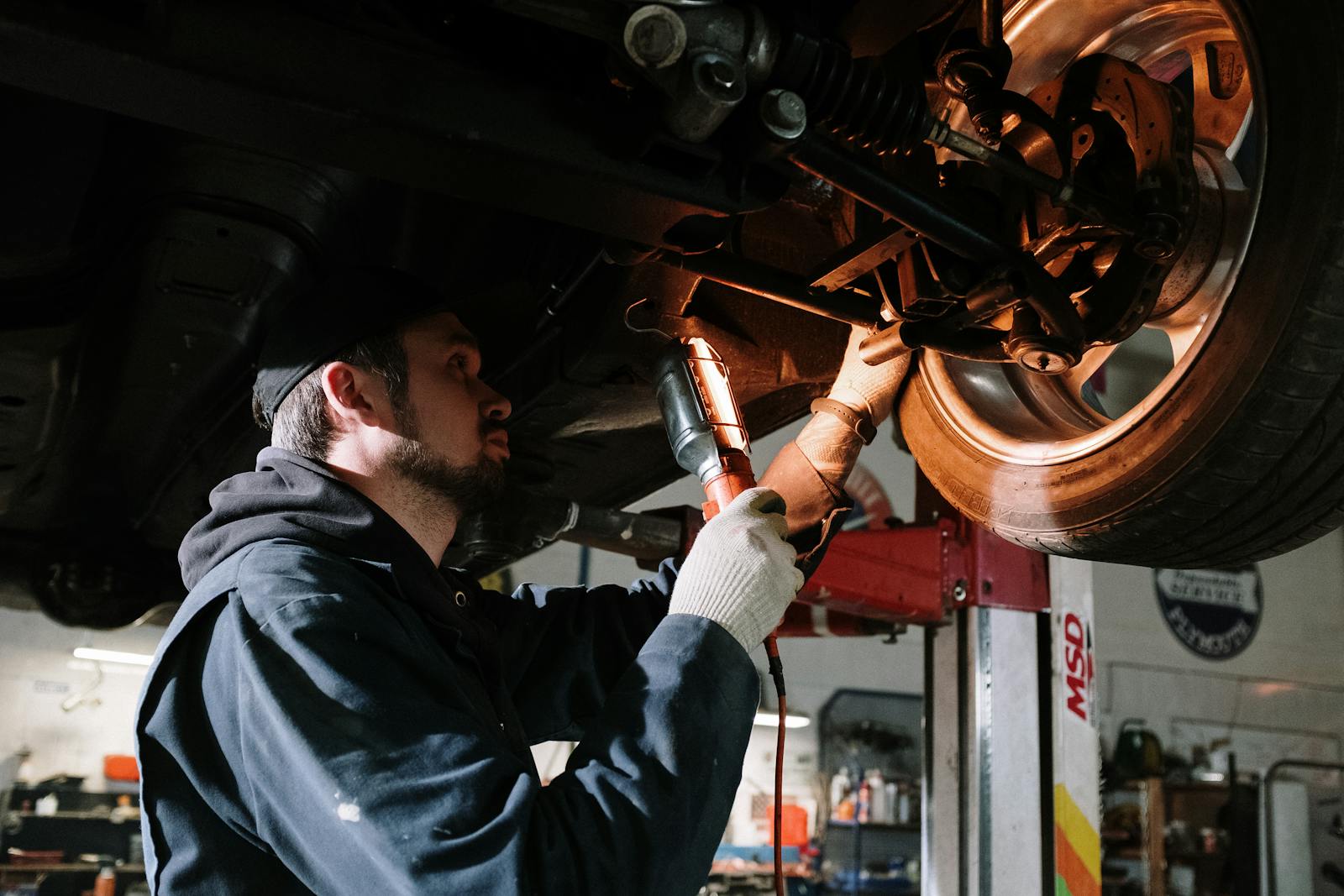
Mobile Mechanic Safety: Protecting Yourself on the Job
Table of Contents
Introduction
Mobile mechanic safety is fundamentally different from shop safety. You work alone, in uncontrolled environments, without the backup systems that shops have, no fire suppression systems, no emergency shutoffs, no coworkers to assist if something goes wrong. A single safety mistake can end your career or your life.
This comprehensive guide covers the critical safety protocols every mobile mechanic must follow. These aren't suggestions, they're requirements for staying alive and avoiding career-ending injuries.
The Harsh Reality
Automotive repair is among the most dangerous occupations. According to Bureau of Labor Statistics data, mechanics experience injury rates significantly higher than the national average. Mobile mechanics face additional risks from working alone, in variable conditions, and without shop safety infrastructure. Take safety seriously, your life depends on it.
Working Under Vehicles Safely
Working under vehicles is the highest-risk activity mobile mechanics perform. Jack failures kill mechanics every year. Never become a statistic.
Jack and Jack Stand Protocol
Follow this procedure without exception:
- Surface Check: Only lift on flat, level, solid surfaces (concrete, asphalt). Never on gravel, dirt, grass, or inclines.
- Wheel Chocks: Place chocks on wheels remaining on ground, both front and back of tire.
- Jack Placement: Position jack at manufacturer-specified lift points only. Consult owner's manual if unsure.
- Lift Slowly: Raise vehicle gradually, watching for any shifting or instability.
- Jack Stands Immediately: NEVER work under a vehicle supported only by jack. Place jack stands under frame/designated points.
- Lower onto Stands: Lower jack slowly until vehicle rests fully on stands, jack is backup only.
- Shake Test: Rock vehicle gently to ensure stability before going under.
- Keep Jack in Place: Leave jack in raised position as secondary support during work.
Jack Stand Ratings and Inspection
- Minimum 3-Ton Stands: For most passenger vehicles (6,000+ lbs capacity per pair)
- Match Vehicle Weight: Check vehicle weight, ensure stands rated well above (2x minimum)
- Inspect Before Every Use: Check for cracks, bent metal, damaged pins, rust
- Replace Damaged Equipment: Never use damaged jack stands, it's not worth your life
- Four-Point Support: Use four jack stands for maximum stability when working under entire vehicle
What NOT to Do Under Vehicles
- Never: Work under vehicle supported only by jack
- Never: Use cinder blocks, wood blocks, or makeshift supports
- Never: Get under vehicle on unstable surface
- Never: Get under vehicle if you feel it's not stable (trust your instincts)
- Never: Leave vehicle supported on jack stands for extended periods unattended
Harbor Freight Jack Stand Recall
In 2020, millions of Harbor Freight jack stands were recalled after multiple collapses caused fatalities. Always check if your jack stands are part of any recalls. Register your equipment and stay informed about safety notices. Your life isn't worth the $50 you'd save on cheap stands.
Alternative: Wheel Cribs and Ramps
For jobs not requiring wheel removal:
- Wheel Cribs: Solid, stable platforms that support tire/wheel (good for oil changes)
- Ramps: Drive-on ramps provide access without jacking (ensure vehicle can't roll backward)
- QuickJack Systems: Portable lifting systems ($1,000-1,500) provide safer alternative to jack stands
Tool and Equipment Safety
Tools cause injuries through misuse, poor maintenance, or using the wrong tool for the job.
Power Tool Safety
- Impact Wrench Safety: Secure socket properly, never use damaged sockets, wear safety glasses (sockets can shatter)
- Grinder Safety: Always use guard, wear face shield (not just glasses), inspect disc before use, never exceed rated RPM
- Drill Safety: Secure work piece, drill can catch and spin item violently, remove chuck key before operation
- Cordless Tool Batteries: Inspect for damage, don't use swollen batteries (fire risk), store in cool, dry place
Hand Tool Safety
- Proper Sizing: Use correct size wrenches/sockets (wrong size strips fasteners and can slip off)
- Breaker Bars: Pull toward yourself, not push (pushing can cause loss of balance if tool slips)
- Screwdriver Safety: Never use as pry bar, chisel, or punch, tools break and cause injuries
- Striking Tools: Wear safety glasses, inspect heads for mushrooming (can shatter when struck)
Lifting Safety
Back injuries end careers. Protect your back:
- Lift with Legs: Squat down, keep back straight, lift with leg muscles
- Know Your Limits: Most people should not solo-lift more than 50 lbs
- Get Help: Ask customer to assist with heavy parts (batteries, wheels/tires)
- Use Tools: Hand truck, wheel dolly, or cart for moving heavy items
- Repetitive Strain: Vary tasks to avoid repetitive stress injuries
Chemical and Fluid Safety
Automotive fluids are toxic, corrosive, and in some cases, carcinogenic. Proper handling is essential.
Fluid Handling
- Engine Oil: Contains harmful additives, avoid skin contact, wash immediately if contact occurs
- Coolant/Antifreeze: Highly toxic if ingested, sweet taste attracts animals/children, clean spills immediately
- Brake Fluid: Extremely corrosive to paint, damaging to skin, wear gloves
- Gasoline: Highly flammable, carcinogenic, work in ventilated areas, no smoking/sparks
- Battery Acid: Sulfuric acid, causes severe burns, neutralize spills with baking soda
Personal Protective Equipment (PPE)
- Safety Glasses: Wear whenever working under hood or under vehicle (minimum requirement)
- Gloves: Nitrile gloves for chemical resistance, mechanic gloves for general protection
- Face Shield: When working with battery, brake fluid, or grinding
- Respirator: When working with brake cleaner, solvents in enclosed spaces
- Steel-Toe Boots: Protect feet from dropped parts, rolling tires
- Long Pants: Protect legs from burns, cuts, chemical splashes
Chemical Storage and Disposal
- Proper Containers: Store fluids in approved, labeled containers
- Secure Transport: Containers must be sealed, secured in van to prevent spills
- Legal Disposal: Never dump fluids in drains, ground, or trash, use licensed disposal facility
- Spill Kit: Carry absorbent pads, kitty litter, and neutralizing agents in van
Electrical System Safety
Modern vehicles have complex electrical systems with significant shock and fire hazards.
Battery Safety
- Explosive Gas: Batteries emit hydrogen gas during charging, highly explosive, no sparks near battery
- Removal Sequence: Always disconnect negative (-) terminal first to prevent shorts
- Installation Sequence: Connect positive (+) first, negative (-) last
- Terminal Protection: Cover positive terminal with rag when working to prevent accidental shorts
- Jump Starting: Follow exact sequence, incorrect procedure can cause explosion or electrical damage
High-Voltage Hybrid/EV Safety
- Orange Cables = Danger: High-voltage cables marked orange contain up to 600+ volts, can be fatal
- Specialized Training Required: Never work on high-voltage systems without proper certification
- Disable Before Work: Follow manufacturer procedure to disable high-voltage system before any work
- Insulated Tools: Use properly rated insulated tools for any electrical work
- When in Doubt: Refer to specialist, electrocution risk too high
General Electrical Work
- Disconnect Battery: For any major electrical work to prevent shorts
- Avoid Wet Conditions: Never work on electrical systems in rain without proper shelter
- Check for Damaged Wiring: Exposed wires can cause shorts and fires
- Proper Connections: Ensure all electrical connections properly secured (loose connections cause fires)
Environmental Hazards
Mobile mechanics face environmental challenges that shop mechanics don't encounter.
Heat-Related Illness Prevention
Detailed in our weather challenges guide, but critical points:
- Hydration: Drink water every 15-20 minutes, not just when thirsty
- Heat Exhaustion Symptoms: Heavy sweating, weakness, dizziness, nausea, stop work, cool down immediately
- Heat Stroke: No sweating despite heat, confusion, unconsciousness, call 911 immediately, life-threatening emergency
- Prevention: Take breaks in shade/AC, use cooling vest, avoid working during peak heat when possible
Cold Weather Hazards
- Frostbite: Exposed skin can freeze in under 30 minutes below 20°F, keep all skin covered
- Hypothermia: Body temperature drops dangerously low, take warming breaks every 45-60 minutes
- Metal Contact: Bare skin sticks to frozen metal, wear gloves always
- Slips and Falls: Ice on driveways/pavement, wear boots with good traction
Traffic and Location Safety
- Street Parking: Wear high-visibility vest, place safety cones 20-30 feet behind work area
- Driveway Work: Ensure customer vehicles won't hit you entering/exiting property
- Parking Lots: Position van to block traffic from work area, stay aware of moving vehicles
- Highway Work: Avoid if possible, extreme danger, requires professional traffic control
Personal Security
Mobile mechanics work alone in unfamiliar locations, creating personal security risks.
Pre-Job Screening
- Get Full Information: Customer name, phone number, address, vehicle details
- Verify Address: Look up address on Google Maps before arrival
- Trust Your Gut: If booking feels wrong (vague details, reluctance to provide info), decline
- Daytime Preferred: Schedule unknown customers during daylight hours when possible
On-Site Security Awareness
- Share Location: Tell someone (spouse, friend) where you'll be and expected return time
- GPS Tracking: Use location-sharing app or check-in system
- Park Strategically: Position van for quick exit if needed, don't block yourself in
- Stay Alert: Be aware of who's around, watch for suspicious activity
- Keep Phone Accessible: Phone in pocket, not in van, for emergency calls
Dangerous Situation Protocol
- Trust Instincts: If you feel unsafe, leave, no job is worth your safety
- Customer Aggression: See our customer service guide for de-escalation
- Threatening Behavior: Leave immediately, call police from safe location
- Suspicious Activity: Gang activity, obvious drug use, weapons visible, leave, don't attempt service
Tool Security
- Lock Van: Always lock van when away from it, even briefly
- Don't Display Tools: Keep van organized but not showcasing expensive equipment
- Serial Number Record: Photograph serial numbers of all tools for theft recovery
- Insurance: Maintain tool insurance (many policies cover theft up to certain limits)
Emergency Procedures
Know what to do when things go wrong.
Medical Emergencies
First Aid Kit Contents
- Adhesive bandages (various sizes)
- Gauze pads and roller gauze
- Adhesive tape
- Antiseptic wipes and ointment
- Burn gel packets
- Eye wash solution
- Instant cold packs
- Disposable gloves
- CPR face shield
- Emergency contact card
Common Emergency Scenarios
- Chemical in Eyes: Flush immediately with water for 15 minutes minimum, seek medical attention
- Severe Cut: Apply direct pressure, elevate above heart if possible, call 911 if bleeding doesn't stop
- Burn: Cool with water, cover with clean bandage, seek medical attention for serious burns
- Vehicle Falls: Call 911 immediately, don't attempt to lift vehicle off victim alone
- Electrical Shock: Ensure power is off before touching victim, call 911, begin CPR if needed and trained
Fire Safety
- Fire Extinguisher: Keep ABC-rated extinguisher in van, know how to use it (PASS method: Pull, Aim, Squeeze, Sweep)
- Gasoline Fire: Evacuate area, call 911, only fight small fires if safe to do so
- Electrical Fire: Never use water, use Class C extinguisher or disconnect power source if safe
- When in Doubt: Evacuate and call fire department, property can be replaced, you can't
Insurance and Legal Protection
Proper insurance protects you from financial ruin when accidents occur.
Essential Insurance Coverage
- General Liability: Covers damage to customer property (minimum $1 million recommended)
- Workers Compensation: Required in most states if you have employees, covers your injuries if self-employed
- Commercial Auto: Covers van and equipment, personal auto insurance doesn't cover business use
- Garage Keepers: Covers customer vehicles while in your care
- Tool Insurance: Protects your equipment investment from theft/damage
Liability Waivers and Documentation
- Written Estimates: Always get customer approval in writing before work
- Pre-Existing Damage: Document with photos to avoid liability claims
- Warranty Terms: Clear written warranty prevents disputes
- Customer Signatures: Get signature on completion acknowledging work performed
Conclusion
Mobile mechanic safety isn't optional, it's the foundation of a sustainable career. Every safety protocol in this guide exists because someone was injured or killed doing it the wrong way. Learn from their mistakes, not your own.
Safety takes extra time and costs money (quality jack stands, PPE, insurance), but it's the best investment you'll make. One serious injury can end your career, bankrupt you with medical bills, or worse. No job, no amount of money, is worth compromising safety.
Make safety habitual. Use jack stands every time, not just when you "think you need them." Wear safety glasses for every job, not just when you "think it's risky." Follow procedures even when you're tired, rushing, or think you can skip them "just this once."
Your family wants you to come home safe. Your customers want you available for future work. Your business needs you alive and healthy. Prioritize safety above productivity, above profit, above customer convenience. Everything else is secondary.
For more operational guidance, see our articles on weather challenges and common obstacles mobile mechanics face.
Protect Your Business with Proper Management
Trackara Pro helps you maintain detailed service records, customer documentation, and safety checklists, protecting you legally and helping you maintain professional safety standards.
Start Your Free Trial