Mobile Mechanic Inventory Management: Parts on the Go
Table of Contents
Introduction
Managing inventory as a mobile mechanic is fundamentally different from running a traditional shop. Your entire parts inventory travels with you, space is limited, and running out of a critical component can mean lost revenue and disappointed customers. Effective mobile mechanic inventory management is the difference between profitable, efficient service calls and costly delays.
This comprehensive guide will show you exactly how to manage parts, tools, and supplies on the go, maximizing your van space while ensuring you have what you need for every job.
Why Inventory Management Matters for Mobile Mechanics
Proper inventory management directly impacts your bottom line and customer satisfaction. Here's why it's critical:
- Revenue Protection: Having the right parts means completing jobs on the first visit instead of scheduling return trips
- Cash Flow: Avoid tying up thousands in slow-moving inventory while having fast-moving parts available
- Customer Trust: Professional inventory management shows customers you're serious about your business
- Time Efficiency: Know exactly where every part is located without wasting time searching
- Competitive Advantage: Complete jobs faster than competitors who need to make parts runs
Real Impact
Mobile mechanics with organized inventory systems report 30-40% fewer return visits and save an average of 45 minutes per day that would otherwise be spent searching for parts or making supply runs.
Unique Inventory Challenges
Mobile mechanic inventory management comes with challenges that shop-based mechanics never face:
Space Constraints
Your entire inventory must fit in your van, typically 100-200 square feet of usable space. Every part must justify its space consumption. Unlike a shop with dedicated storage rooms, you need to be ruthless about what you carry.
Movement and Vibration
Parts are constantly exposed to vibration, acceleration, and cornering forces. Poor organization means:
- Damaged parts from shifting during transit
- Mixed-up fasteners and small components
- Safety hazards from loose items
- Noise and unprofessional appearance
Temperature Exposure
Your van interior can reach 120°F+ in summer or drop below freezing in winter. Certain fluids, adhesives, and electronic components have specific storage requirements that are harder to maintain in a mobile environment.
Security Concerns
Your inventory is vulnerable to theft when your van is parked. Many mobile mechanics have lost thousands in tools and parts to break-ins. This requires different security strategies than a shop with alarm systems and surveillance.
Essential Parts to Stock
Not every part deserves space in your van. Focus on high-turnover items and common failures for your target market. Here's a practical framework:
Tier 1: Always Stock (High Frequency)
- Batteries: Multiple sizes for different vehicle types (Group 24, 35, 65, 48)
- Oil Filters: Top 10 models in your service area
- Air Filters: Most common sizes
- Wiper Blades: Assorted popular sizes
- Spark Plugs: Common types for vehicles you service
- Serpentine Belts: Top 15-20 sizes
- Fluids: Motor oil (5W-30, 5W-20), coolant, brake fluid, power steering fluid
- Light Bulbs: Headlight and brake light bulbs for popular models
Tier 2: Situational Stock (Medium Frequency)
- Brake Pads: Common applications you advertise
- Thermostats: Popular models
- Sensors: Oxygen sensors, MAF sensors for common vehicles
- Alternators/Starters: If you specialize in these services
- Hoses: Common radiator and heater hoses
Tier 3: Order On-Demand (Low Frequency)
- Vehicle-specific sensors and modules
- Specialty tools for specific jobs
- High-value, low-turnover components
- Parts for services outside your core offerings
The 80/20 Rule
80% of your parts sales typically come from 20% of your inventory. Identify these top performers and ensure they're always in stock. Track your parts usage monthly to identify patterns and adjust accordingly.
Inventory Tracking Systems
Manual inventory tracking doesn't work long-term for mobile mechanics. You need a system that's accessible in the field and updates in real-time.
Digital Inventory Systems
Modern mobile mechanic management software includes inventory tracking features specifically designed for mobile operations:
- Real-Time Updates: Inventory decrements automatically when you use parts on a job
- Low Stock Alerts: Notifications when items reach reorder points
- Mobile Access: Check inventory from your phone while at a parts store
- Cost Tracking: Monitor COGS and profit margins by job
- Supplier Integration: Some systems connect directly to parts suppliers for quick ordering
Barcode Systems
Implementing a simple barcode system dramatically improves accuracy:
- Scan parts when loaded into van
- Scan parts when used on jobs
- Instant inventory accuracy
- Reduces manual data entry errors
Physical Checks
Even with digital systems, perform physical inventory counts weekly. This catches:
- Forgotten parts usage
- Damaged or expired inventory
- System errors
- Theft or loss
Van Organization Strategies
Organization is where theory meets reality. A well-organized van saves time, protects inventory, and impresses customers.
Zone-Based Organization
Divide your van into functional zones:
- Hot Zone (Easy Access): Daily-use tools and common parts near side or rear doors
- Warm Zone (Medium Access): Weekly-use items in middle shelving
- Cold Zone (Deep Storage): Rare-use items and bulk supplies in harder-to-reach areas
Drawer and Bin Systems
Invest in professional van shelving with:
- Locking drawers for small parts (prevents mixing during transit)
- Clear bins for visual inventory checks
- Label makers for everything
- Non-slip drawer liners
- Dividers for different part sizes
Vertical Space Utilization
Most mobile mechanics underutilize vertical space. Use:
- Ceiling-mounted racks for long items (jacks, stands)
- Door-mounted organizers for fluids
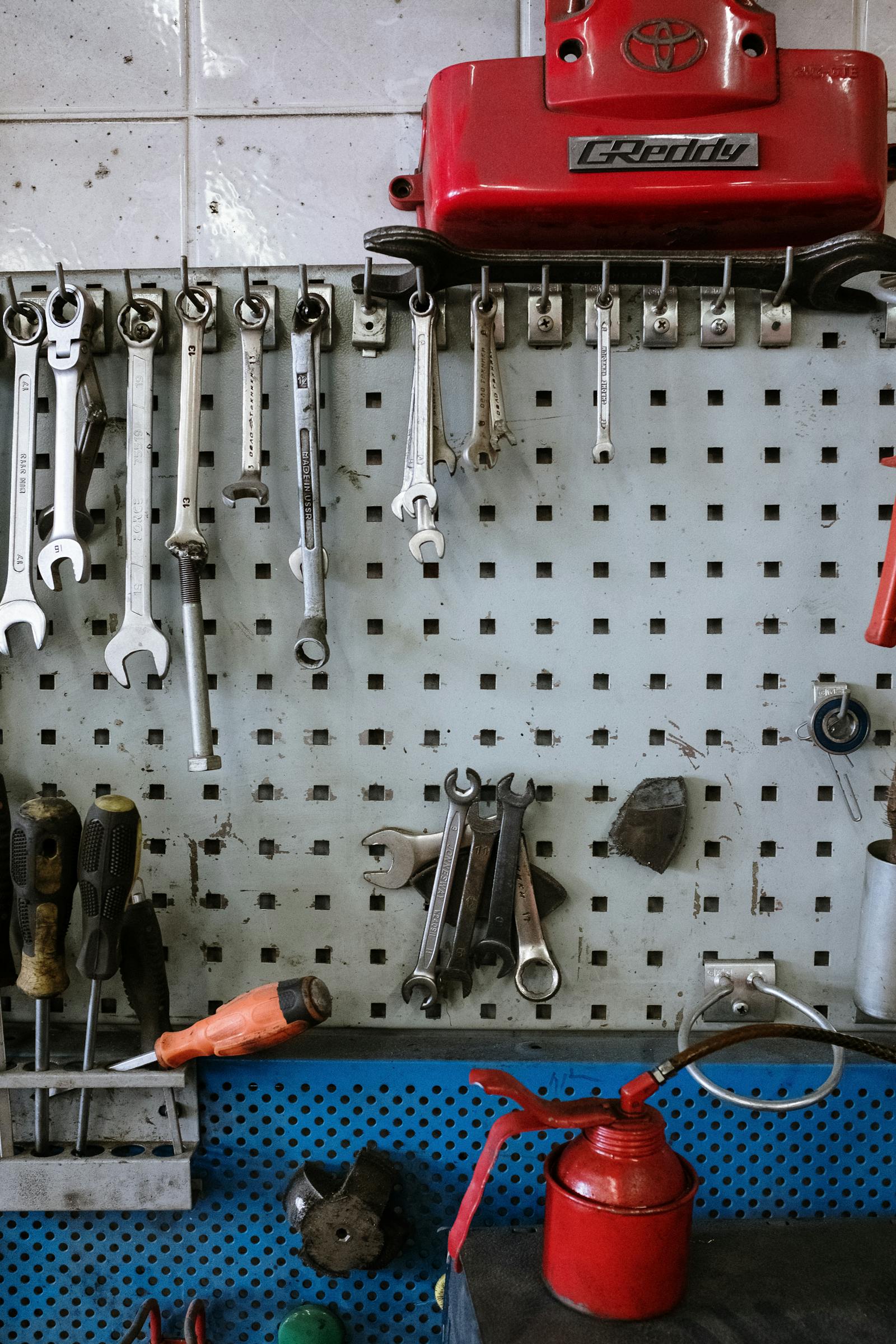
- Wall-mounted tool panels
- Overhead compartments for lighter items
Weight Distribution
Proper weight distribution isn't just about organization, it's about safety and vehicle handling:
- Heavy items (batteries, oil containers) low and centered
- Distribute weight evenly left-to-right
- Secure everything to prevent shifting
- Stay within your van's GVWR (Gross Vehicle Weight Rating)
Reorder Point Process
Running out of essential parts costs money. Too much inventory ties up cash. The solution is a systematic reorder process.
Calculate Reorder Points
For each part category, determine:
- Average Weekly Usage: Track actual consumption
- Lead Time: Days from order to delivery
- Safety Stock: Buffer for unexpected demand
- Reorder Point Formula: (Average Weekly Usage × Lead Time in Weeks) + Safety Stock
Scheduled Ordering
Establish a regular ordering routine:
- Weekly Review: Check inventory levels every Friday
- Standing Orders: Automatic orders for consumables (oil, filters)
- Supplier Relationships: Negotiate terms with 2-3 primary suppliers
- Emergency Protocol: Know which suppliers offer same-day delivery
Seasonal Adjustments
Adjust inventory based on seasonal demand:
- Summer: More A/C parts, cooling system components, batteries
- Winter: More batteries, starters, heating system parts
- Spring/Fall: More maintenance items (filters, fluids, wipers)
Cost Management Tips
Inventory represents significant capital investment. Manage it wisely:
Reduce Inventory Carrying Costs
- Turn Inventory Quickly: Target 6-8 inventory turns per year minimum
- Avoid Overstocking: Resist bulk discounts unless you have proven demand
- First-In-First-Out (FIFO): Use older stock first to prevent expiration
- Return Slow Movers: Many suppliers accept returns on unused parts within 30-90 days
Supplier Strategies
- Volume Discounts: Concentrate purchases with fewer suppliers for better pricing
- Account Terms: Negotiate net-30 payment terms to improve cash flow
- Core Returns: Always return cores promptly to recoup deposits
- Loyalty Programs: Join rewards programs at major parts stores
Track Key Metrics
Monitor these numbers monthly:
- Inventory Turnover Ratio: Cost of Goods Sold ÷ Average Inventory Value
- Parts-to-Labor Ratio: Parts Revenue ÷ Labor Revenue (target 40-60%)
- Inventory Shrinkage: Track losses from damage, theft, or errors
- Stock-Out Rate: Percentage of jobs delayed by missing parts
Inventory Investment Guide
Most successful mobile mechanics maintain inventory valued at 15-25% of their annual revenue. A mechanic generating $100,000 annually typically carries $15,000-25,000 in inventory. Start smaller and scale up as you identify demand patterns.
Conclusion
Mobile mechanic inventory management is both an art and a science. The most successful mobile mechanics treat inventory as a strategic asset, not just stuff in their van. By implementing proper tracking systems, organizing efficiently, and monitoring key metrics, you'll reduce costs, increase revenue, and provide better customer service.
Start with the essentials, track everything, and refine your system based on actual usage data. Your inventory should evolve as your business grows and your customer base develops. Remember: the goal isn't to carry every possible part, it's to carry the right parts that maximize your profitability and service capabilities.
For more operational guidance, check out our articles on time management for mobile mechanics and common mobile mechanic challenges.
Simplify Your Inventory Management with Trackara Pro
Stop losing track of parts and start maximizing your inventory efficiency. Trackara Pro's inventory management system automatically tracks parts usage, sends low-stock alerts, and helps you maintain optimal inventory levels.
Start Your Free Trial