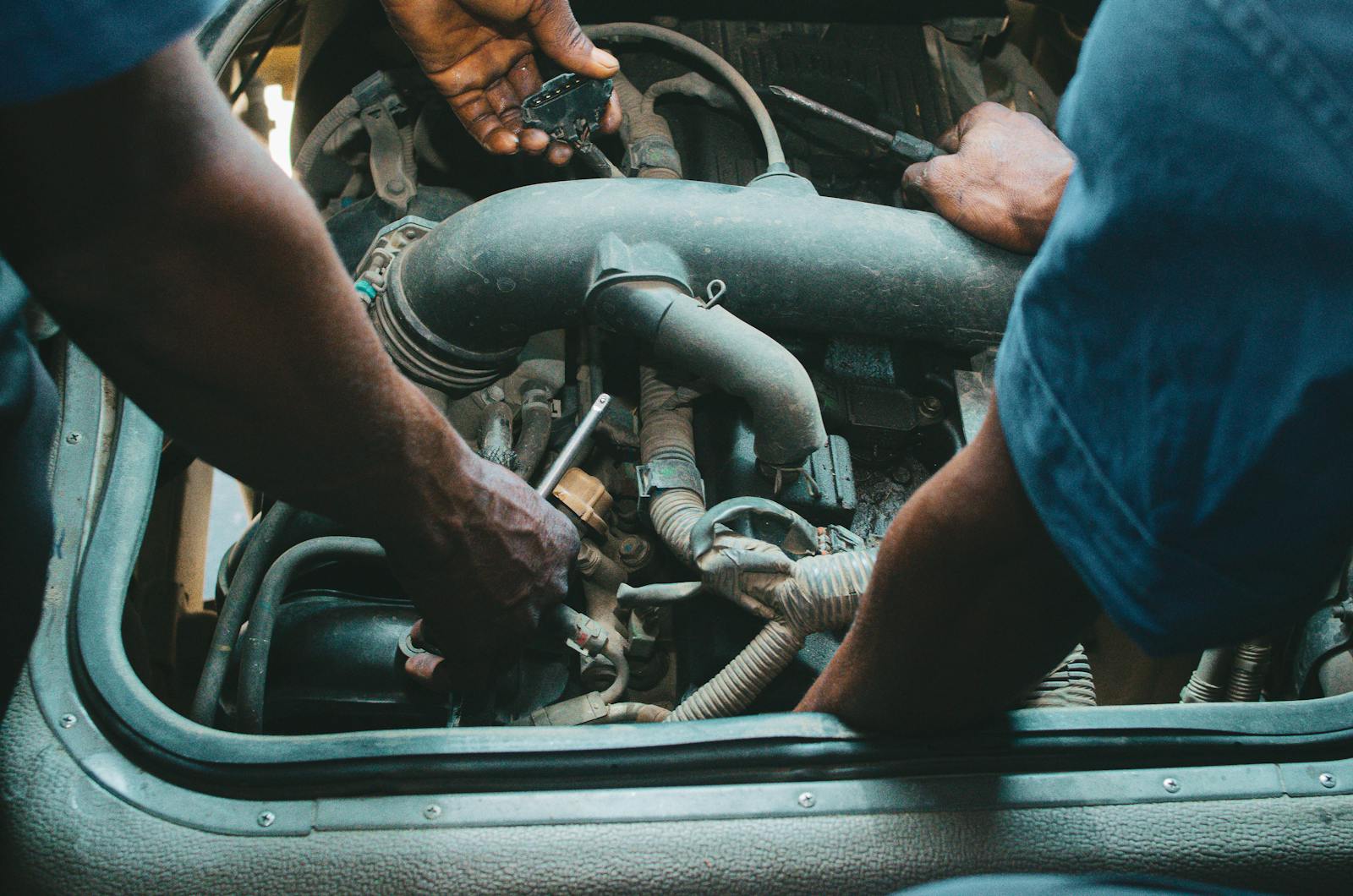
Adding a Second Van: Growing Your Mobile Mechanic Fleet
Table of Contents
Introduction
Adding a second van to your mobile mechanic operation is a pivotal moment in your business journey. It represents the transition from solo operator to fleet manager, doubling your service capacity and opening new growth opportunities. However, expanding mobile mechanic business operations with additional vehicles requires careful planning and execution.
Unlike simply buying more tools, a second van comes with ongoing costs, operational complexity, and management challenges. You'll need proper staffing, coordinated scheduling, consistent quality control, and the financial resources to support the expansion. This guide will help you navigate every aspect of adding your second van successfully.
Assessing Your Readiness for a Second Van
Before committing to a second vehicle, ensure you're truly ready for this expansion.
Financial Readiness Indicators
You're financially ready when you have:
- Consistent Profitability: Your current van generates reliable profits month after month
- Capital Available: $40,000-60,000 for vehicle, equipment, and initial operating expenses
- Cash Reserves: 6 months of operating expenses saved (including the second van's costs)
- Strong Cash Flow: Ability to cover dual overhead before the second van reaches profitability
- Customer Deposit/Advance Work: Enough committed work to keep two vans busy
Operational Readiness
Beyond finances, assess your operational foundation:
- You have documented processes for all services
- Your scheduling system can handle multiple technicians
- You've successfully hired and trained at least one employee
- Quality control systems are in place and working
- You have time to manage operations rather than just work in them
Market Demand
Verify sufficient demand exists:
- You're consistently turning away work
- Booking lead times are 2+ weeks consistently
- You've identified underserved areas or customer segments
- Seasonal analysis shows sustained demand, not just temporary peaks
The Profitability Test
Calculate your current van's profitability (revenue minus all direct costs). If it's generating at least $5,000/month in net profit consistently for 6+ months, you likely have a model worth replicating. Less than this, and you should focus on optimizing your first van before expanding.
Financial Planning and Budgeting
Understanding the complete financial picture prevents cash flow surprises.
Initial Investment Breakdown
Budget for these upfront costs:
- Vehicle Purchase: $25,000-40,000 (depending on new vs. used)
- Vehicle Outfitting: $3,000-5,000 (shelving, lighting, signage)
- Tools and Equipment: $8,000-12,000 (duplicate your current setup)
- Initial Parts Inventory: $2,000-4,000
- Insurance and Registration: $1,500-3,000
- Technology/Software: $500-1,000 (additional licenses, tracking)
- Marketing Launch: $1,000-2,000
Total Initial Investment: $41,000-67,000
Ongoing Monthly Costs
Factor in these recurring expenses:
- Vehicle Payment: $500-800 (if financed)
- Insurance: $300-500
- Fuel: $600-1,000
- Maintenance: $200-400
- Technician Salary: $4,000-6,000
- Software/Technology: $50-150
- Parts Replenishment: Variable based on jobs
Total Monthly Fixed Costs: $5,650-8,850 (before parts and variable costs)
Financing Options
Consider these funding approaches:
- Cash Purchase: Best if you have reserves; avoid debt and interest
- Commercial Auto Loan: 4-7% APR, 3-5 year terms typical
- Equipment Financing: Finance vehicle and equipment together
- Business Line of Credit: Flexible for equipment and inventory
- SBA Loan: Favorable terms for qualified businesses
Break-Even Analysis
Calculate when your second van becomes profitable:
- Identify your average revenue per job and jobs per day
- Calculate gross profit margin (revenue minus direct costs)
- Determine how many jobs needed to cover fixed monthly costs
- Factor in ramp-up time (typically 3-6 months to full capacity)
Choosing the Right Second Vehicle
Your second van should match or improve upon your first vehicle's performance.
New vs. Used Decision
New Vehicle Advantages:
- Warranty coverage reduces early maintenance costs
- Modern safety and efficiency features
- Professional image with matched branding
- Predictable costs for 3-5 years
Used Vehicle Advantages:
- Lower upfront cost and depreciation
- May find already-outfitted service van
- Faster to profitability with lower overhead
- Test the second van concept with less risk
Vehicle Specifications
Look for these key features:
- Cargo Capacity: Minimum 250 cubic feet for adequate tool and parts storage
- Payload: 2,000+ lbs capacity for tools, equipment, and parts
- Reliability: Research brand/model reliability ratings
- Fuel Efficiency: Balance power needs with operating costs
- Maintenance Costs: Consider long-term repair and parts availability
- Height: Standard height for easier parking vs. high roof for standing room
Should You Match Your Current Van?
Benefits of matching vehicles:
- Simplified maintenance with same parts inventory
- Consistent brand image
- Easier tool and equipment interchangeability
- Unified training on vehicle features
However, don't be afraid to upgrade if your current van has limitations. Apply lessons learned to make a better choice the second time.
Equipping Your Second Van
Properly outfitting your second van ensures your team can deliver consistent service.
Essential Tool Duplication
Your second van needs a complete duplicate of your core tools:
- Complete socket and wrench sets (metric and standard)
- Diagnostic scanner and code reader
- Jack, jack stands, and wheel chocks
- Power tools (impact wrench, drill, grinder)
- Specialty tools for common jobs
- Safety equipment (gloves, glasses, first aid)
Interior Organization
Invest in proper organization systems:
- Professional shelving units designed for work vans
- Drawer systems for small parts and hardware
- Tool boards or pegboards for frequently used items
- Secure mounting for heavy equipment
- Adequate lighting for working inside the van
Parts Inventory
Stock commonly needed parts:
- Filters (oil, air, cabin air for popular vehicles)
- Fluids (oil, coolant, brake fluid, transmission fluid)
- Batteries (popular sizes)
- Belts and hoses (common sizes)
- Brake pads (popular vehicle makes)
- Wiper blades (various sizes)
Technology and Communication
- Tablet or smartphone with business management software
- Mobile payment processing device
- GPS navigation system
- Dash cam for liability protection
- Two-way communication system or reliable cell coverage
Staffing Your Second Van
The right technician makes or breaks your second van's success.
Hiring vs. Promoting
If you already have an employee, consider whether to:
- Promote them to the second van: Rewards loyalty, proven quality, hire someone new for support role
- Keep them in current role, hire experienced tech: Maintains stability, brings in new expertise
For detailed hiring guidance, review our complete guide on hiring your first employee.
Compensation for Second Van Technician
Structure compensation to align incentives:
- Salary Option: $45,000-65,000 annually depending on experience and market
- Hourly + Commission: $22-28/hour base plus 10-15% of revenue
- Performance Bonuses: Monthly or quarterly bonuses for meeting targets
- Benefits: Health insurance contribution, PTO, continuing education
Training and Standards
Ensure consistent quality across both vans:
- Comprehensive training on your procedures and standards
- Shadow experienced tech for 2-4 weeks
- Regular quality audits and customer feedback review
- Weekly team meetings to share learnings
- Clear performance metrics and accountability
Operational Coordination
Managing two vans requires upgraded systems and processes.
Scheduling and Dispatch
Implement systems that optimize both vehicles:
- Route optimization software to minimize drive time
- Skill-based job assignment (match technician expertise to job requirements)
- Geographic zone coverage to reduce overlap
- Real-time schedule updates and communication
- Emergency job protocols and backup coverage
Professional fleet management software becomes essential at this stage, allowing you to see both vehicles' locations, schedules, and performance in real-time.
Quality Control
Maintain standards as you scale:
- Random service inspections and ride-alongs
- Customer satisfaction surveys after every job
- Photo documentation requirements for all jobs
- Peer review system between technicians
- Regular calibration of diagnostic equipment
Parts and Inventory Management
Track inventory across multiple locations:
- Digital inventory system showing stock in each van
- Standardized restocking procedures
- Transfer protocols between vans when needed
- Central parts depot for bulk storage
- Automated reordering based on usage patterns
Communication Protocols
Establish clear communication channels:
- Daily morning check-ins for both technicians
- End-of-day reporting on completed jobs and issues
- Team messaging system for quick questions
- Weekly team meetings for coordination and training
- Emergency contact procedures
Marketing Your Expanded Capacity
Let customers know you've grown and can serve them better.
Announcing Your Expansion
- Email blast to existing customer database
- Social media posts highlighting your growth
- Press release to local media
- Update website with "Now serving more areas" messaging
- Thank loyal customers who made growth possible
Geographic Expansion
Use your second van to serve new areas:
- Identify underserved neighborhoods or suburbs
- Create location-specific landing pages for SEO
- Targeted social media ads in new service zones
- Partner with businesses in expansion areas
- Update Google My Business with expanded service area
Capacity-Based Marketing
Highlight improved service capabilities:
- "Same-day service now available"
- "Shorter wait times"
- "Evening and weekend appointments"
- "Emergency service coverage"
- "Fleet service for businesses"
Managing Multi-Van Challenges
Anticipate and address common challenges of expanding mobile mechanic business operations.
Challenge 1: Maintaining Quality Consistency
Issue: Quality varies between technicians, damaging your reputation.
Solutions:
- Detailed checklists for every service type
- Photo documentation requirements
- Regular quality audits and feedback
- Customer satisfaction tracking by technician
- Ongoing training and skill development
Challenge 2: Cash Flow Strain
Issue: Fixed costs double while revenue ramps up gradually.
Solutions:
- Maintain 6+ months cash reserves before expanding
- Pre-sell service packages to generate upfront cash
- Secure line of credit before you need it
- Monitor weekly cash flow projections
- Be prepared for 3-6 month ramp-up period
Challenge 3: Scheduling Conflicts
Issue: Jobs assigned to wrong van, inefficient routing, technician downtime.
Solutions:
- Implement professional scheduling software
- Geographic zone assignments for each van
- Buffer time for unexpected issues
- Clear protocols for urgent jobs and adjustments
- Regular schedule review and optimization
Challenge 4: Parts Management
Issue: Wrong van has needed parts, duplicate orders, inventory shortages.
Solutions:
- Real-time inventory tracking system
- Standardized parts list for each van
- Daily inventory spot checks
- Central parts depot for specialty items
- Same-day parts delivery arrangements with suppliers
The 80% Rule
Don't add your third van until your second van is running at 80%+ capacity consistently for 3+ months. Premature expansion strains resources and dilutes quality. Focus on optimizing two vans before scaling further.
Conclusion
Adding a second van to your mobile mechanic operation is an exciting milestone that requires thorough planning and execution. When done right, it doubles your service capacity, increases profitability, and sets the foundation for continued growth. However, rushing this expansion without proper preparation can strain finances and damage your reputation.
The keys to success are ensuring financial readiness, having solid operational systems, hiring the right technician, and maintaining rigorous quality control. Take time to prepare properly, invest in the right tools and technology, and don't compromise on training and standards.
Your second van proves your business model works and can be replicated. The lessons learned from this expansion will inform future growth decisions as you continue scaling your mobile mechanic business. Some operators eventually build fleets of 5, 10, or more vans using the principles outlined in this guide.
Remember that expanding mobile mechanic business operations is a marathon, not a sprint. Focus on doing it right rather than doing it fast, and you'll build a sustainable, profitable multi-van operation that serves your community and supports your growth ambitions.
Ready to Manage Your Growing Fleet?
Trackara Pro makes multi-van operations simple with real-time GPS tracking, intelligent scheduling, and comprehensive fleet management. Everything you need to coordinate multiple technicians efficiently.
Start Your Free Trial